November 28, 2026
Panic alarm drills worth checking in every workplace
By @theworkdaywatch
A panic alarm only helps if people know what to do when it is pressed. In a workplace where staff may work alone, move between sites, or face difficult customers, a drill turns a device from a piece of hardware into a practiced response. It also reveals the small gaps that are easy to miss on paper, such as unclear roles, weak phone coverage, or a contact who is not available.
The aim is not to create fear. A good drill is calm, short, and specific. It checks whether a person under stress can raise an alert, whether the right people receive it, and whether help can be organised without delay. For a wearable lone worker alarm with SOS, GPS, two way voice, man down, and fall detection alerts, the drill should cover both an intentional alert and an automatic one.
Start with the reason for the drill
Before anyone presses a button, define what the exercise is testing. A busy reception area, a home visit, a warehouse aisle, and an after hours shift all carry different risks. The drill should reflect a realistic scenario for that setting, such as a verbal threat, a person who refuses to leave, or a worker who cannot move after a fall.
Keep the scenario simple enough that participants understand it quickly. Give them only the details they would normally have at the time. If the worker is told too much, the drill becomes a memory test rather than a response test. If the worker is told too little, people may be unsure what counts as a real emergency.
It also helps to state the expected outcome in plain language. The worker should be able to signal for help, share location if the system provides it, speak when safe to do so, and know what happens next. That outcome matters more than speed alone. A fast alert with no follow up is not much use.
Check the alert path from the worker outward
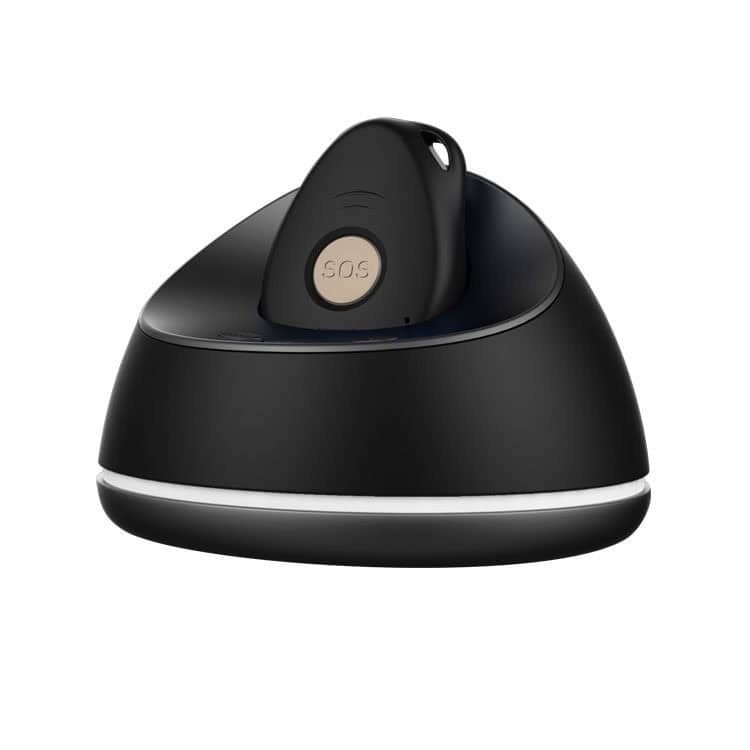
The first part of any drill is the alert itself. If the workplace uses a workplace panic button, check that the person wearing or carrying it knows where the control is, how long it needs to be held if that applies, and what feedback to expect. Some devices give a sound, light, or vibration. Others may stay quiet. Staff should know which response is normal so they do not assume a fault when the device is acting silently.
Discretion can matter in a tense moment. A worker may need discreet help during threatening situations without drawing attention to the fact that they are calling for assistance. The drill should include where the device is worn, how it can be reached without a obvious reach to a pocket or bag, and how the worker can speak clearly if two way voice is available.
Once the alert is raised, trace what happens. Who receives it? Is there a named security contact or a monitored response point? Are they expecting a test, and do they know not to treat it as a real incident? The answer should be clear before the drill begins. Otherwise, emergency services or internal staff could be drawn into a false response.
Points to check during the exercise
- Can the worker activate the alert under mild pressure? A short scenario with noise, movement, or a difficult conversation shows whether the action is easy to remember.
- Does the alert reach the intended recipient? The point is to confirm the full path, not just that the device switched on.
- Is location information accurate enough to act on? GPS may be less precise indoors or in dense buildings, so staff need a backup way to describe where they are.
- Can two way voice be used safely? The worker should know when to speak, when to listen, and when staying quiet is the safer choice.
- Are man down and fall alerts understood? Automatic alerts should be recognised, not mistaken for accidental activations or ignored as nuisance signals.
Practise the human response, not just the technology
Technology starts the response, but people complete it. The drill should test how the recipient questions the worker, records key details, and decides what level of response is needed. A calm voice and a few clear questions can help a worker who is shaken. A confusing response can add pressure.
Use prompts that match real needs. Ask the worker if they are safe to talk, where they are, whether the other person can hear them, and what immediate help is needed. Keep questions short. If the worker cannot speak, the recipient should have a clear rule for escalation. That rule needs to be agreed before the drill, not invented during it.
De escalation skills also deserve attention. A panic alarm is not a substitute for early warning signs, boundaries, or a safe way to leave a situation. If a verbal threat builds, staff should know what language they are expected to use, when they should stop engaging, and when to create distance. The alarm supports that plan. It does not replace it.
Some workers hesitate to press an alert because they worry about overreacting. That hesitation is worth discussing after the drill. A culture that treats early alerts as sensible makes it more likely that staff will act before a situation worsens. A culture that mocks false alarms can train people to stay silent.
Make automatic alerts part of the routine
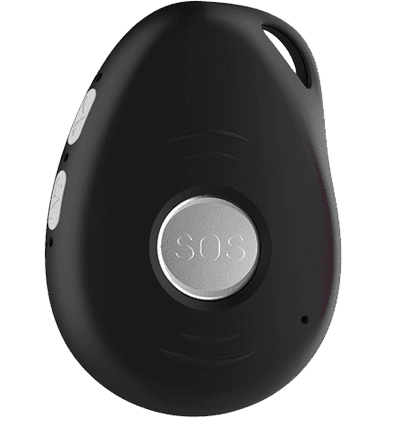
Man down and fall detection alerts need a different kind of practice because the worker may not be able to press anything. The exercise should check whether the alert is generated as expected, whether the recipient can identify the wearer, and whether the response plan allows for a worker who cannot answer questions.
Location matters here. If GPS information is available, the recipient should know how to interpret it and when to ask for confirmation. If the worker is indoors, the location may need to be supported by the site address, floor, room, or a nearby landmark. That detail should be recorded in the workplace plan, not left to memory.
Automatic alerts also need a clear approach to accidental activations. A worker who bends down, drops a device, or moves sharply may trigger an alert. The response should still be taken seriously until safety is confirmed. Dismissing signals too quickly creates risk. Treating every signal as a genuine emergency without a check process can also wear people down. A balanced procedure is the practical middle ground.
Keep the drill short, then review it properly
A useful drill does not need to be elaborate. It does need a beginning, an alert, a response, and a review. Decide how long it should run, tell observers what to note, and make sure everyone knows it is an exercise. Where a monitored service or external contact is involved, follow any agreed process for announcing a test. Unannounced drills can have value, but only when safety and consent have been considered.
Afterwards, gather the observations while the sequence is fresh. Focus on what helped and what got in the way. Was the device comfortable to reach? Did the worker know the wording to use? Did the recipient ask too many questions? Was the incident report easy to complete? These details often matter more than a perfect drill time.
Where a gap appears, change one thing and test it again. If the worker was unsure who to contact, update the contact instructions. If the alert was not heard, consider whether vibration or another feedback method is needed. If the worker had no way to describe the location, add site specific notes to the response plan. Small corrections build a response people can trust.

Set a rhythm that people can remember
Drills work best when they are part of normal workplace safety routines rather than a one off event. New staff need a chance to practise before they work alone. Staff who change sites, roles, or shifts may need a short refresher. A threat assessment can help decide which scenarios deserve more attention, especially where staff face aggressive behaviour, work late, or travel between locations.
Keep records simple. Note the date, scenario, people involved, what worked, and what changed afterwards. Over time, those notes show whether the same problem keeps appearing. Repeated confusion about the same step is a sign that the procedure or training needs attention, not that staff need another warning.
The best outcome is quiet confidence. Workers know how to call for help, responders know what to do, and the plan holds up when a real situation feels uncomfortable or unclear. A workplace panic button is most useful when everyone around it understands the response it sets in motion. Regular practice makes that response easier to remember and safer to carry out.
❧